A tooth-colored ceramic alternative to titanium, with care at our Central Park South and Scarsdale, Westchester offices.
Ceramic Dental Implant Centre offers SDS zirconia implants for single-tooth, multiple-tooth and full-arch treatment. We assess your bone, gums, bite and health history before recommending a complete implant and restoration system.
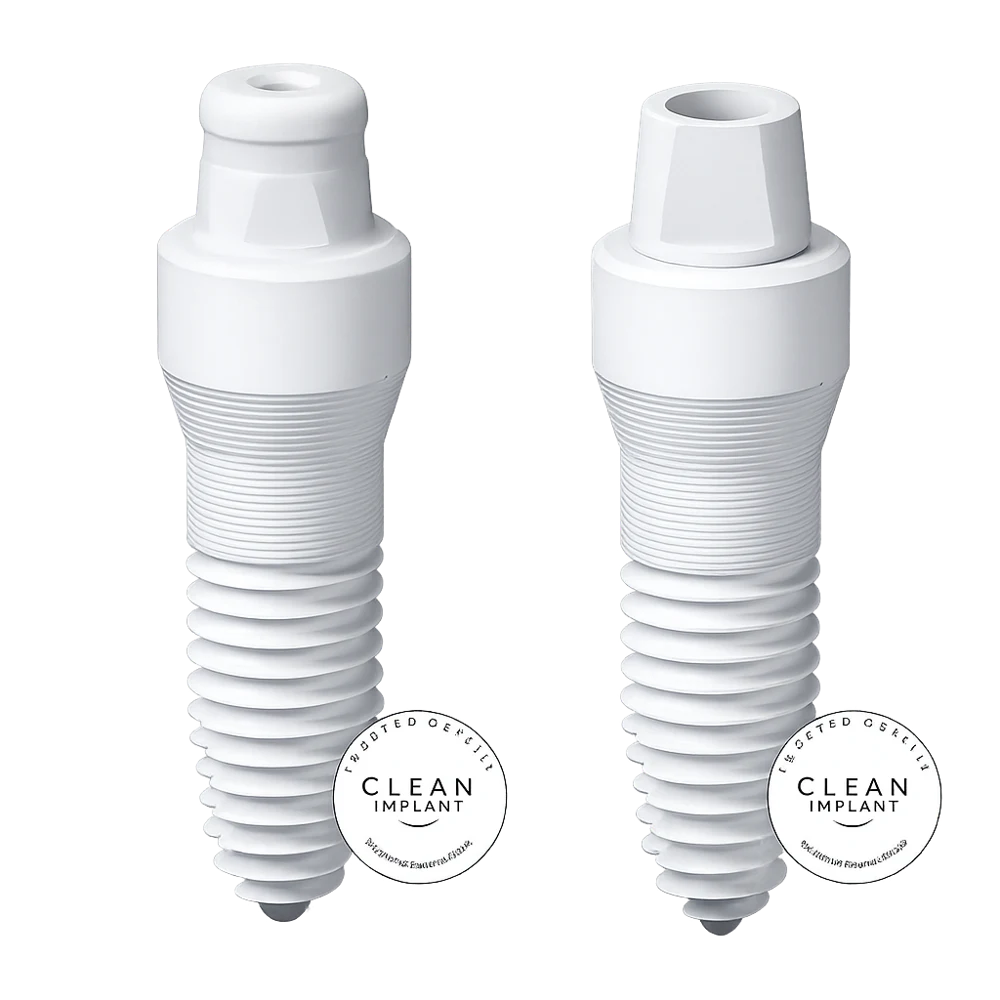
Conceptual implant illustration, not a specification of your SDS device. Final components depend on your treatment plan.
The short answer
What are metal-free dental implants?
Metal-free dental implants replace missing tooth roots with zirconia, a nonmetallic ceramic, rather than titanium. They support a crown or bridge. A ceramic implant body does not guarantee that every connection or restoration component is metal-free; the complete system must be checked.
Patients whose anatomy, gum health, bite and medical history support the proposed ceramic system. An examination is required.
First, a clear definition
What does “metal-free” really mean?
A ceramic dental implant replaces a missing tooth root with implant-grade zirconia, or zirconium dioxide. This oxide ceramic is not the same as metallic zirconium. As healing progresses, bone can form a stable interface with the implant.
The implant supports a crown or bridge. But a ceramic crown alone does not mean the implant underneath is ceramic—or that the complete restoration is metal-free.
The root replacement placed in the jawbone. CDIC uses SDS zirconia implants.
02
The connection
The abutment and any screw, insert or base. Some ceramic systems use metal in these components.
03
The replacement tooth
The crown or bridge, including its framework and attachment materials.
If avoiding metal is a priority: ask us to identify the materials in every retained component, as well as any temporary restoration, in your written plan.
Your priorities belong in the conversation
Why consider ceramic implants?
There are thoughtful reasons to choose zirconia. The right choice also accounts for what the material cannot promise.
01 / Material preference
A nonmetallic option
You may prefer a ceramic implant even without a diagnosed metal allergy. That preference is a valid part of an individualized treatment discussion.
A preference is not proof that titanium is unsafe or that ceramic is medically necessary.
02 / Appearance
Tooth-colored by nature
Zirconia’s white or ivory color may be useful where thin gum tissue makes the underlying material more noticeable.
Gum thickness, implant position and restoration design also shape the final appearance.
03 / Tissue compatibility
A biocompatible ceramic
Implant-grade zirconia can support bone integration and soft-tissue healing in appropriately selected cases.
Biocompatible does not mean risk-free. Both ceramic and titanium implants can develop complications.
Concerned about a reaction to metal?
Bring your history and any previous test results. Symptoms or a single allergy test do not establish the cause of an implant problem. Material selection should follow a careful clinical assessment.
Ceramic or titanium? Consider the complete picture.
Neither material is the best choice for every person. The relevant comparison is between systems that can work for your anatomy and restoration.
Key differences to discuss at your consultation
What matters
Ceramic / zirconia
Titanium
Material & color
A white-to-ivory oxide ceramic
A gray metal
Clinical evidence
Encouraging outcomes in selected systems and cases; a smaller long-term evidence base
The broadest and longest clinical record
Restorative design
Options depend on the exact implant system and connection
A wider established range of components and restorative options
Health & maintenance
Can integrate with bone; infection, bone loss and mechanical problems remain possible
Can integrate with bone; infection, bone loss and mechanical problems remain possible
Current evidence does not establish ceramic implants as universally safer, healthier or better at preventing peri-implant disease. Read the evidence guide ↗
The right material. The right case.
Could metal-free implants be right for you?
We consider your material preferences alongside your bone, gums, bite, health history and the tooth or teeth you need to replace. Grafting or gum treatment may be needed before implant placement.
Keeping a natural tooth, a bridge, removable teeth or another implant option may also deserve consideration. Diagnosis comes before a recommendation.
Specialized ceramic care. An individual conversation.
Our practice uses SDS Swiss Dental Solutions zirconia implants at our Central Park South and Scarsdale offices. Your consultation connects your goals with the surgical and restorative details that matter for your care.
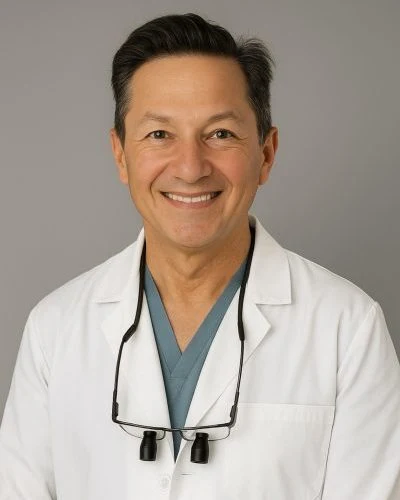
Dr. Dale D. Goldschlag, DDS, DICOI
Founder & Clinical Director Diplomate, International Congress of Oral Implantologists
Where can I get metal-free dental implants in NYC?
Ceramic Dental Implant Centre offers SDS zirconia implant consultations at 120 Central Park South, Suite 1G, New York, NY 10019, near Midtown and Columbus Circle. Call 212-262-0950 or choose the Central Park South office in the booking calendar.
Where can I get metal-free dental implants in Scarsdale or Westchester?
CDIC’s Scarsdale office is at 2 Overhill Road, Suite 270, Scarsdale, NY 10583, near the Scarsdale Metro-North station. The office offers zirconia implant consultations for people in Scarsdale, White Plains and the wider Westchester area. Call 212-262-0950 and ask for Scarsdale.
Zirconium is a metallic element. Zirconium dioxide, or zirconia, used in ceramic implants is a ceramic compound with different properties. “Metal-free” describes the nonmetallic ceramic; it is not a guarantee about every other treatment component.
Are all ceramic implants completely metal-free?
No. Some ceramic implant systems use a metal screw, base or insert, and a restoration can contain additional materials. Ask for the exact implant, connection and restoration materials in your proposed plan.
No. A material preference can be a valid reason to discuss ceramic implants, provided the system is appropriate for your clinical needs and you understand its alternatives and limitations. Metal-free does not mean allergy-free; cements, resins, medications and other materials may still matter.
Are ceramic implants safer than titanium?
Both can be suitable options. Evidence does not establish one as universally safer or healthier. Titanium has the larger long-term evidence base, while ceramic outcomes depend on the system, indication, planning and maintenance.
Should I replace a healthy titanium implant?
A preference for ceramic alone does not establish a medical need to remove a functioning titanium implant. Removal has surgical risks and may reduce bone. If you have symptoms, seek a clinical assessment of the cause and the alternatives before deciding.
How long does treatment take? Will I have a temporary tooth?
Timing and temporary-tooth options depend on bone, grafting, implant stability, bite and healing. Immediate placement and immediate restoration are different decisions, and neither is suitable for everyone. Your treatment plan should explain each stage and what you will wear during healing.
How much do metal-free implants cost?
CDIC offers a free implant consultation with CBCT. Your written estimate should identify the implant, connection, final crown or bridge, temporary teeth, any extraction or grafting, and follow-up. Multi-tooth and full-arch plans are priced individually.
See the current cost guide for published fees, inclusions and exclusions; a website price cannot determine your complete case fee.
They need daily cleaning and regular professional review, just like other implants. Your team should show you how to clean around the restoration and discuss monitoring, bite protection where needed, and possible future repairs. Ceramic does not prevent peri-implant disease or guarantee lifetime service.
Read a little deeper
Understanding before you decide.
Selected guides from our Knowledge Base informed this page. They explain the benefits, limitations and evidence behind the decisions.
Metal-free implant care in NYC, Scarsdale & Westchester.
Choose the office that works for your consultation and ongoing care. Treatment is provided at these two locations; nearby communities do not represent additional offices.
New York City · Manhattan
Metal-free dental implants in NYC
Our Central Park South office offers ceramic implant consultations near Midtown and Columbus Circle. The nearby 59 St–Columbus Circle subway station provides a public-transit option for your visit.
Ceramic Dental Implant Centre – Central Park South 120 Central Park South, Suite 1G New York, NY 10019 212-262-0950
Monday–Thursday
10:00 AM–6:00 PM
Friday–Sunday
Closed
For patients considering care from the Upper West Side, Upper East Side or other NYC neighborhoods, confirm your route and allow time for Midtown traffic. Ask our team about building access before your appointment.
Our Westchester office is in central Scarsdale near the village center and Scarsdale Metro-North station. It offers ceramic implant consultations for patients from Scarsdale, White Plains and the wider Westchester area.
Ceramic Dental Implant Centre – Scarsdale 2 Overhill Road, Suite 270 Scarsdale, NY 10583 212-262-0950
Monday
12:00 PM–8:00 PM
Tuesday & Thursday
8:00 AM–6:00 PM
Wednesday
8:00 AM–1:00 PM
Friday–Sunday
Closed
Coming from nearby Hartsdale, Eastchester, Bronxville, New Rochelle or Yonkers? Plan your visit to our Scarsdale office. Check current train schedules and posted parking restrictions before traveling.
For patients traveling from the Hudson Valley or nearby Connecticut, discuss the likely number of visits, healing checks and long-term maintenance before committing to treatment. Contact the patient care team ↗
About this information: This information draws on the Centre’s linked Knowledge Base guides and published office information and was prepared with AI assistance. A treating clinician must confirm suitability and the materials in your individual plan.
Your next step
Let's talk about what is right for you.
Bring your questions, medication list and any available scans or treatment plans. We’ll discuss your options, the proposed materials and the complete cost before treatment.