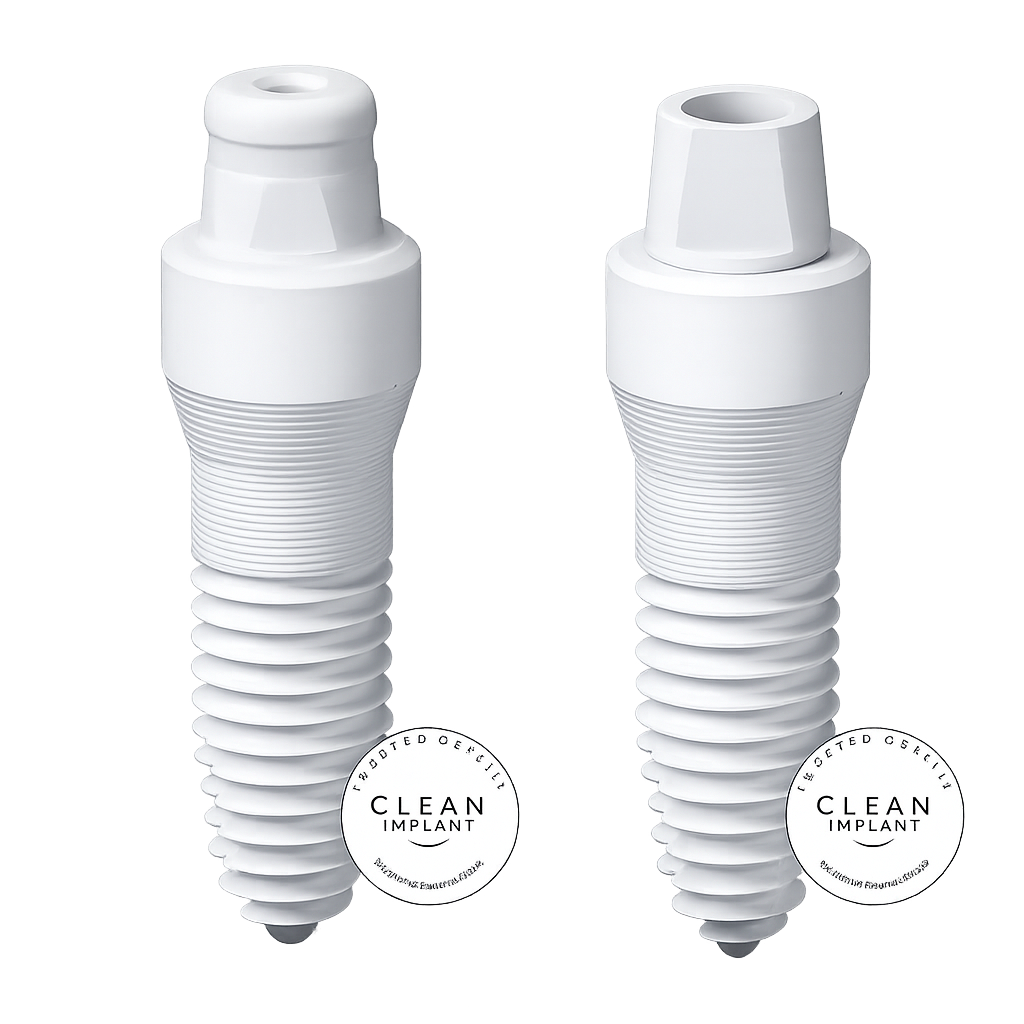
When considering dental implants for missing teeth, understanding the difference between ceramic dental implants and traditional metal dental implants is essential.
Metal implants have been widely used, but they may not be ideal for every patient. Some individuals experience sensitivity, gum inflammation, or aesthetic concerns related to metal visibility beneath the gums.
Ceramic dental implants are metal-free, corrosion-resistant, and highly biocompatible. Their non-conductive properties and tooth-colored appearance support healthier gum tissue and more natural aesthetics over time. Because ceramic implants do not oxidize or corrode, they are often preferred by patients seeking biologically compatible dental solutions.
From both a functional and cosmetic perspective, ceramic dental implants offer a modern alternative for patients prioritizing long-term oral health.